
Mobile app penetration testing for iOS and Android
Most mobile app testing concentrates on the app. The findings that end up mattering are usually behind it. The app is a client; the exposure is generally server-side, in an API that trusts input it should not, an authorisation check performed in the app rather than on the server, or an endpoint reachable without the app at all.


What mobile application penetration testing actually covers
The application binary: hardcoded secrets, weak or absent certificate pinning, insecure local storage, debug functionality shipped to production, and whether root or jailbreak detection can be bypassed. On Android that includes the manifest, exported components and deep links; on iOS, keychain usage and URL scheme handling.
The APIs behind the app, which is usually where the real finding is. Authorisation tested per object rather than per endpoint, so one user cannot read another's records by changing an identifier. Whether server-side checks exist at all, or whether the app is the only thing enforcing them. Rate limiting, token handling, and endpoints still live after a feature was retired.
Business logic: whether a sequence of individually legitimate requests produces an outcome the product never intended. Generic tooling encodes generic weaknesses. It cannot know that in your product a support agent should never be able to approve their own refund. Those findings come from someone who understood the product first.
Human expertise.
AI power.
Superior security.
Whether you’re scaling fast, closing enterprise deals, or just tired of noisy reports, we’ll help you build a security stack that moves faster than your threats.

Our solution architecture
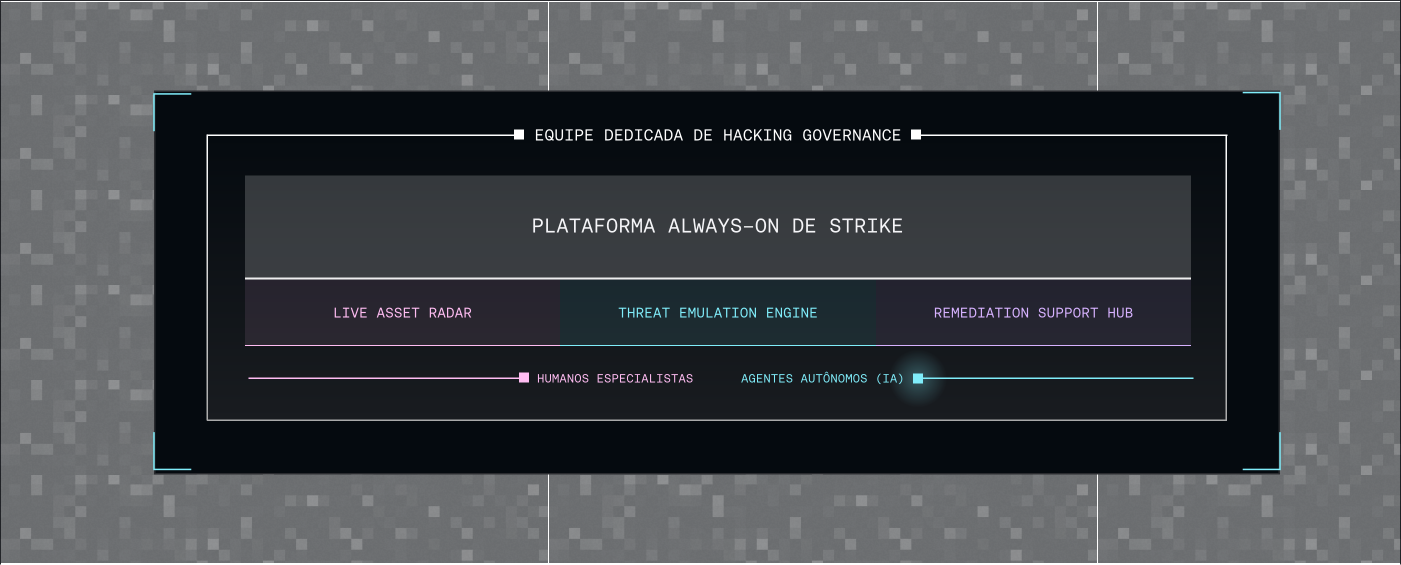
A centralized platform that combines continuous asset monitoring, autonomous threat emulation, and expert remediation support—powered by AI agents, human validation, and a dedicated governance team.
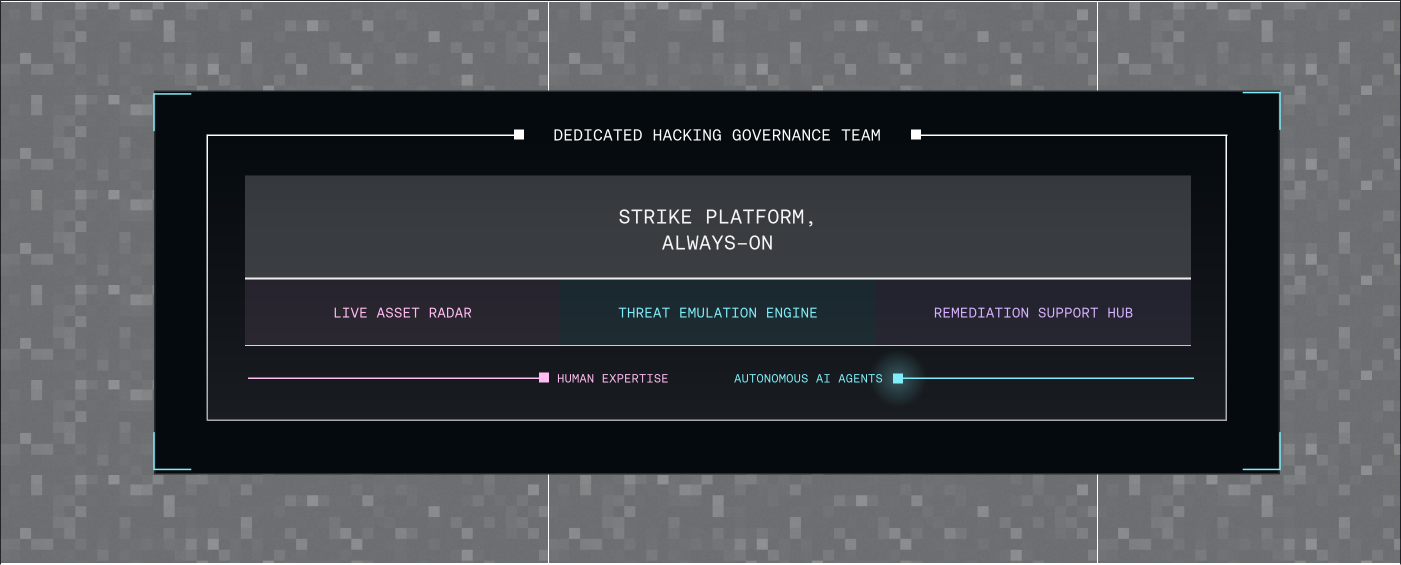
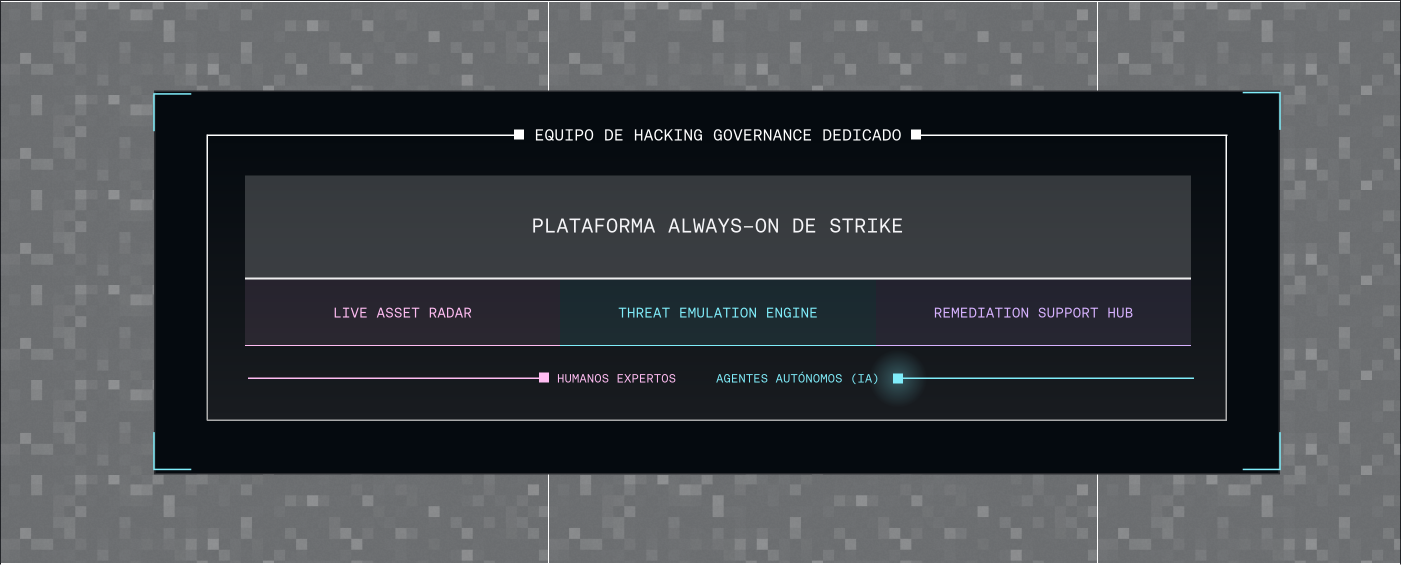
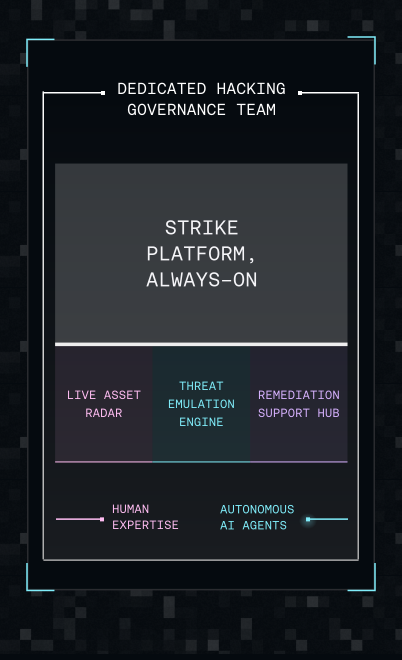
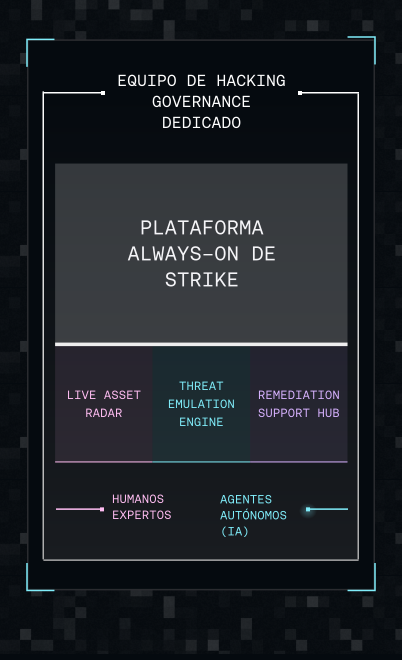
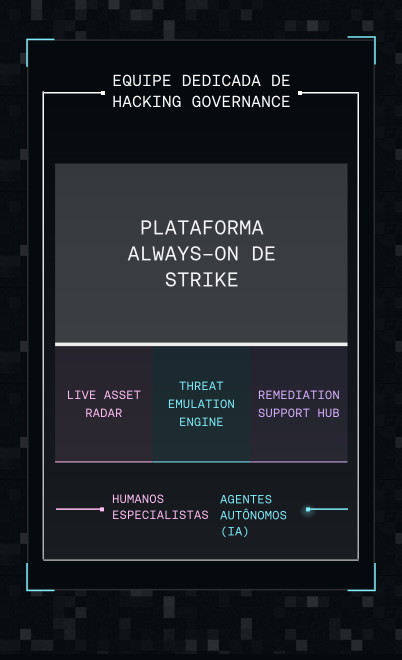
ALWAYS-ON PLATFORM
How Strike tests the app, the device and the APIs behind them
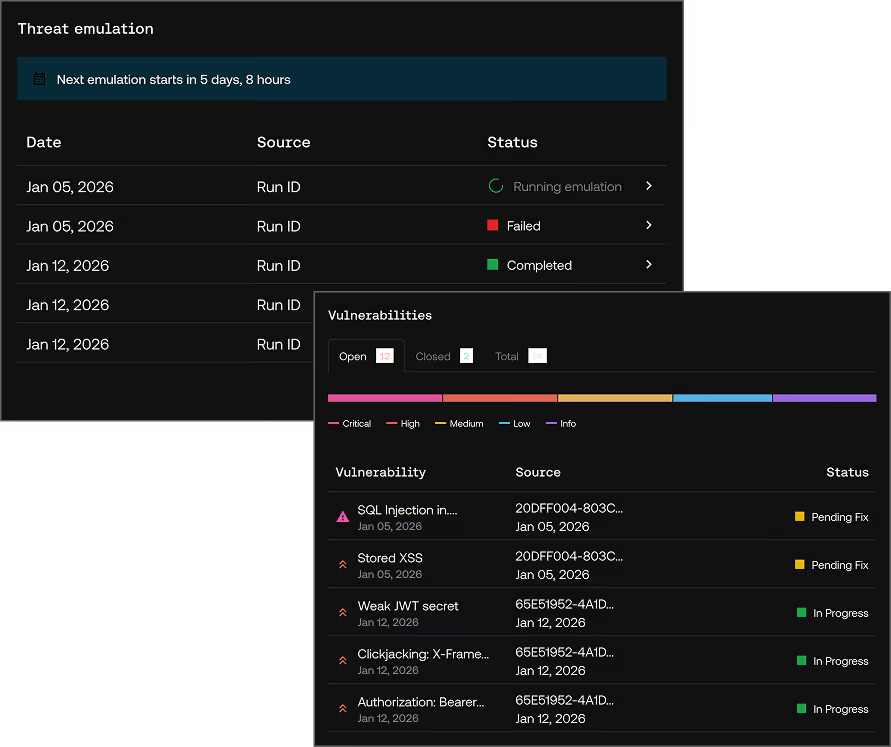
Threat Emulations run against an authorised scope covering the binary, the device boundary and the APIs the app depends on, with expert human validation before customer delivery. Coverage depends on authorised scope and access.

In-depth continuous testing
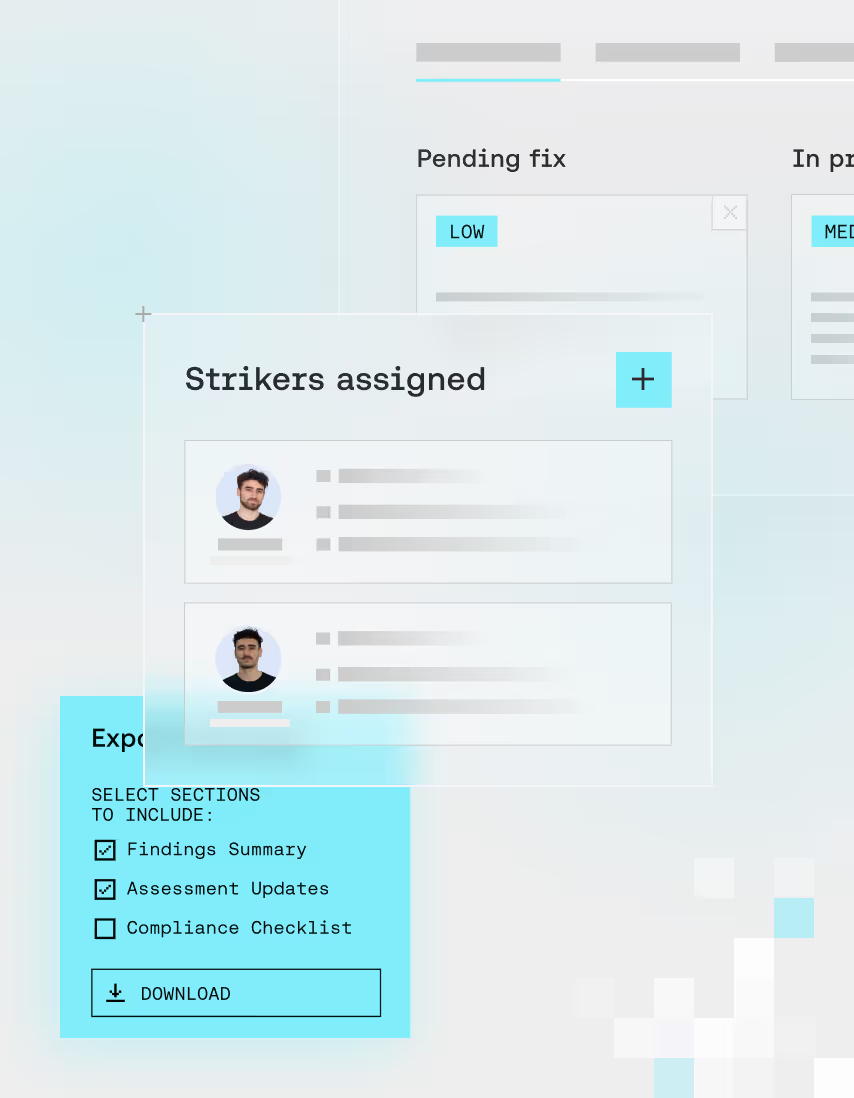
Strikers uncover high-impact vulnerabilities across multi-technology environments (web apps, APIs, mobile, cloud, and more).

AI-led retesting on-demand
Validate fixes without waiting for the next testing cycle. Retesting availability depends on the subscribed scope.

Real-time fixing
AI agents guide your team step-by-step through remediation to accelerate resolution.

Step-by-step Threat emulation creation
Easily scope, launch, and track your Threat emulation with full transparency.

Human triaging & peer review
Expert human validation before customer delivery, for accuracy and impact.

Full visibility
Track every finding with complete transparency through security expert work logs and real-time notifications.

Seamless integrations
Connect directly with Slack, Teams and Jira to streamline collaboration with your security and development teams.

Vulnerability Manager
Visualize, manage, and retest vulnerabilities in one platform, with full context on severity, sources, and remediation.

Reporting that supports audit and compliance programs
Generate up-to-date reports with evidence per finding to support your PCI DSS, HIPAA, ISO 27001 and SOC 2 programs. Strike does not issue SOC 2 reports, ISO certificates or PCI DSS attestations.

Ongoing partnership
Weekly check-ins with a dedicated Customer Success Manager, plus personalized onboarding and strategic planning.
