
What should a penetration testing report contain?
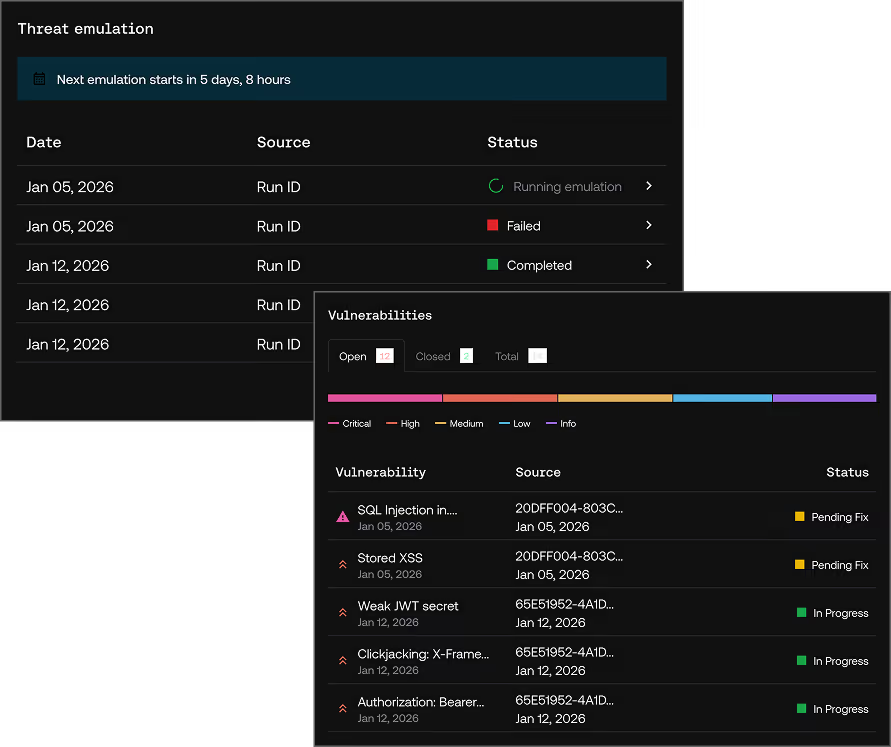
A penetration testing report should let a competent engineer reproduce every finding without contacting the tester. That means, per finding: what it is, where it is, the exact steps to trigger it, evidence that it was triggered, its severity with the reasoning, and what to change. Anything short of reproducible is an assertion.

Four tells of a report that is really a scan
No reproduction steps: the single strongest signal that a tool found it and nobody confirmed it. Severity with no reasoning: a CVSS number without exploitability context in your environment is a label, not an assessment.
Findings that cannot exist together, which means nobody read the report end to end. And screenshots of a dashboard instead of evidence of exploitation, because a tool's output is not proof.
There is a practical test. Take one finding at random, hand it to an engineer who was not involved, and ask them to reproduce it using only what is written. If they can, the report is sound. If they come back with questions, every other finding carries the same gap. Run that test on the sample report before you sign, not on the real one after.
Our solution architecture
A centralized platform that combines continuous asset monitoring, autonomous threat emulation, and expert remediation support—powered by AI agents, human validation, and a dedicated governance team.
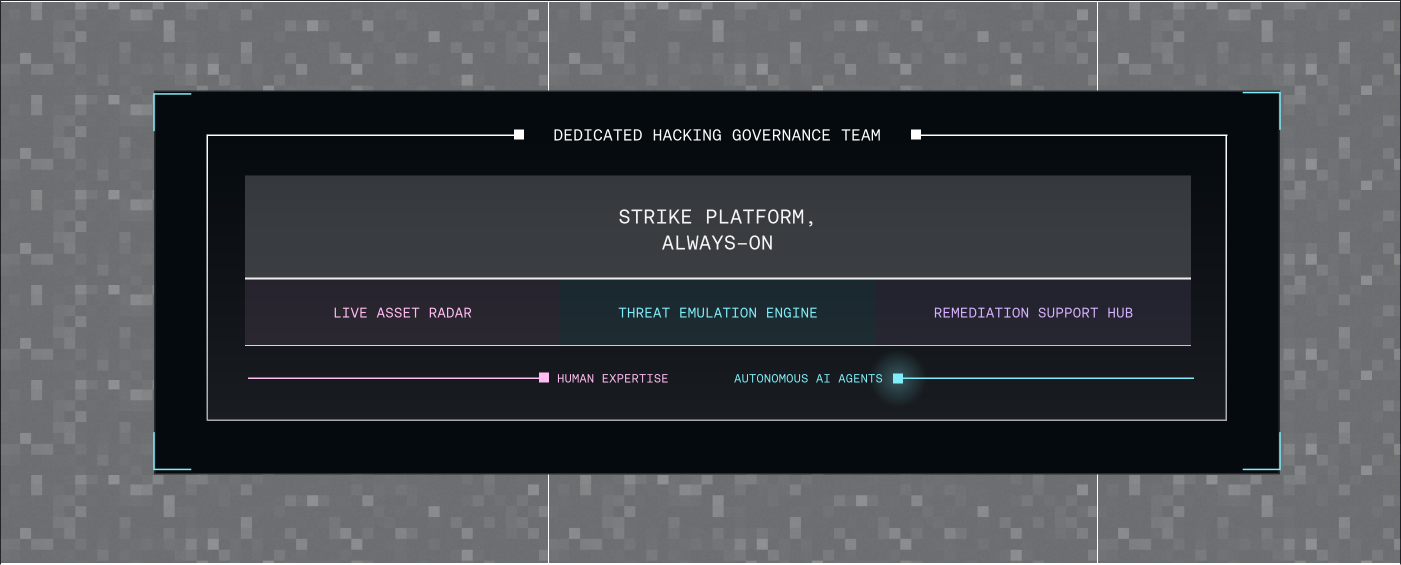
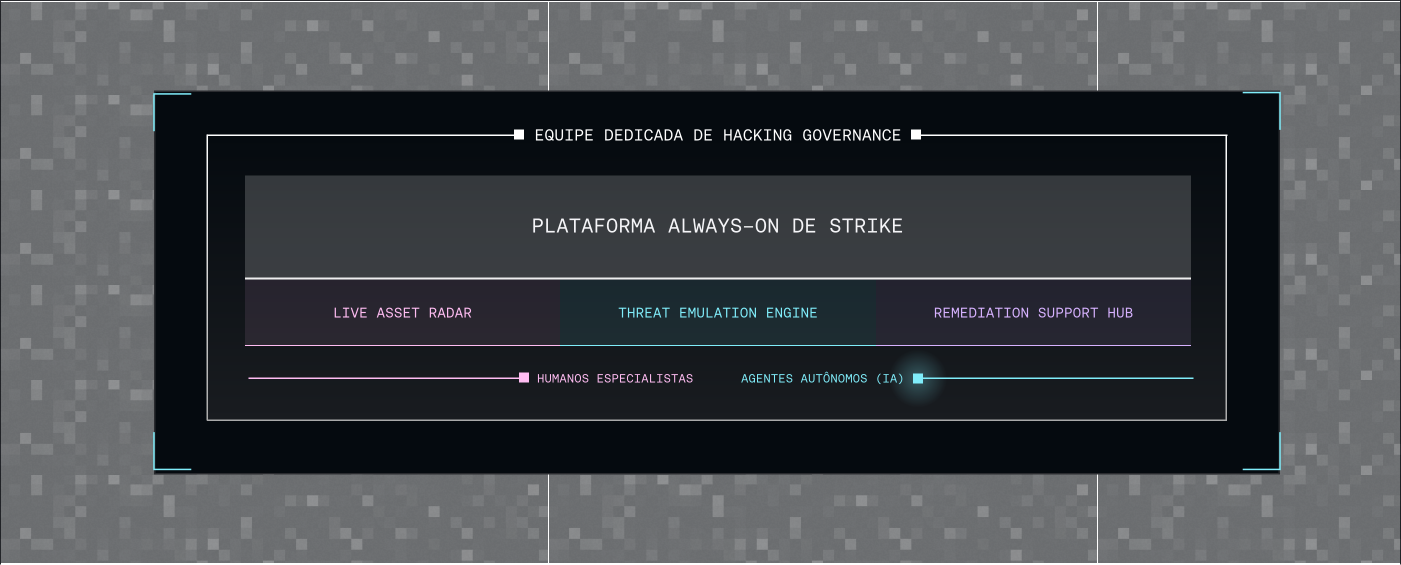
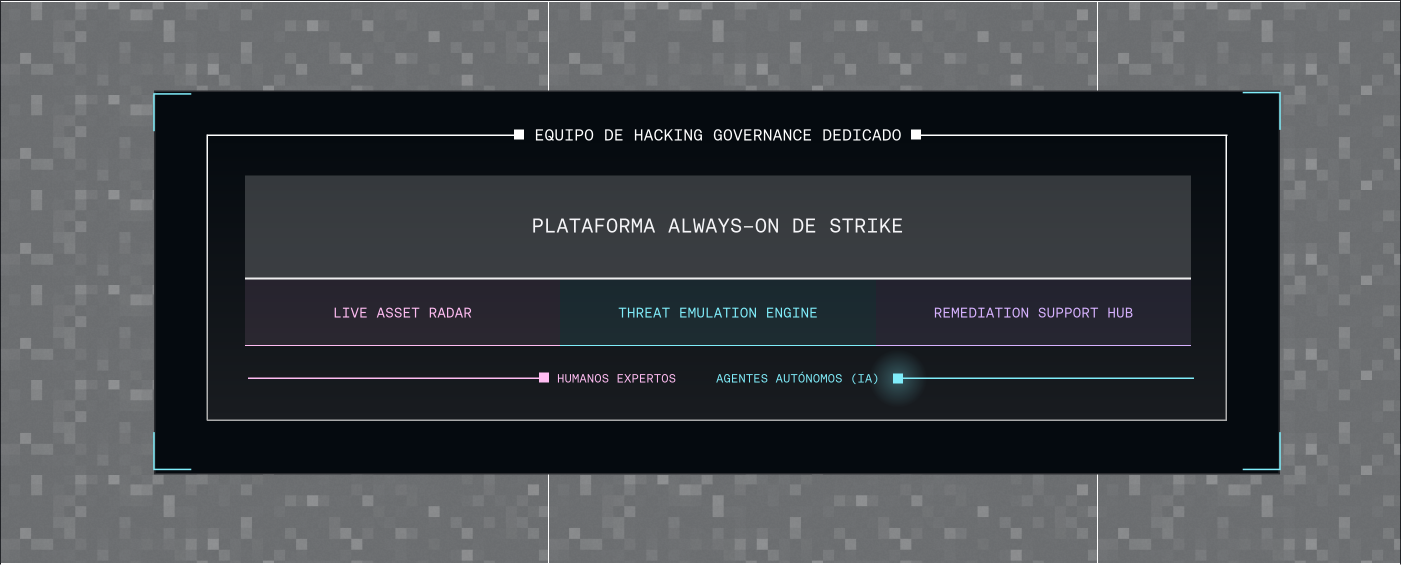
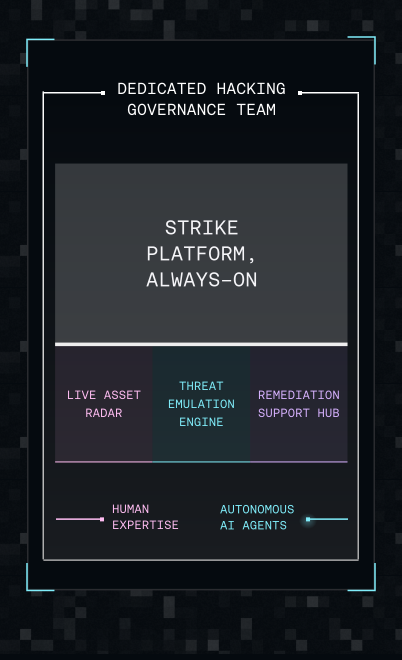
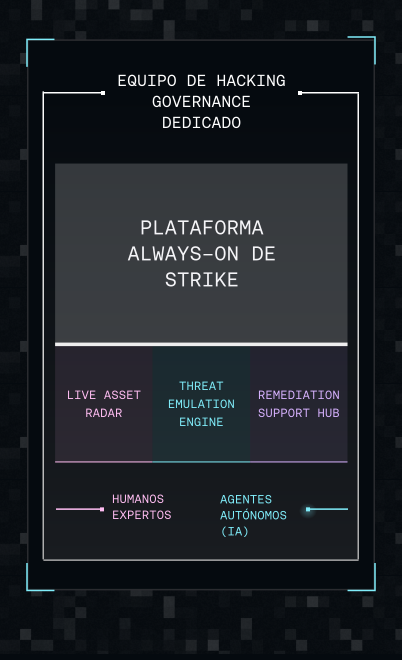
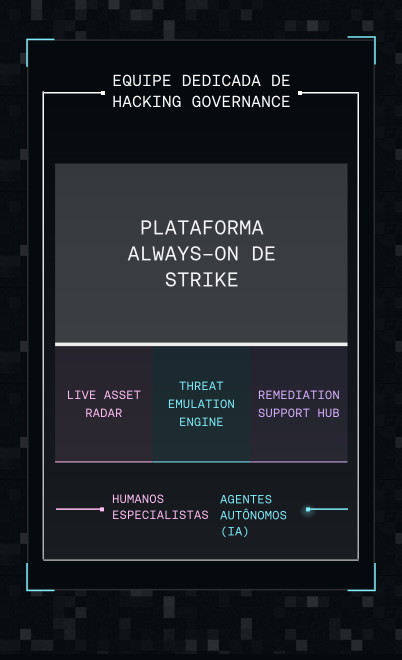
ALWAYS-ON PLATFORM
Why Strike reports are reproducible by the time you get them
Strike validates before delivery, not after. Expert human validation happens before customer delivery, so findings arrive with severity, reproduction steps and remediation guidance as documentation that supports audit and compliance programs.

In-depth continuous testing
Strikers uncover high-impact vulnerabilities across multi-technology environments (web apps, APIs, mobile, cloud, and more).

AI-led retesting on-demand
Validate fixes without waiting for the next testing cycle. Retesting availability depends on the subscribed scope.

Real-time fixing
AI agents guide your team step-by-step through remediation to accelerate resolution.

Step-by-step Threat emulation creation
Easily scope, launch, and track your Threat emulation with full transparency.

Human triaging & peer review
Expert human validation before customer delivery, for accuracy and impact.

Full visibility
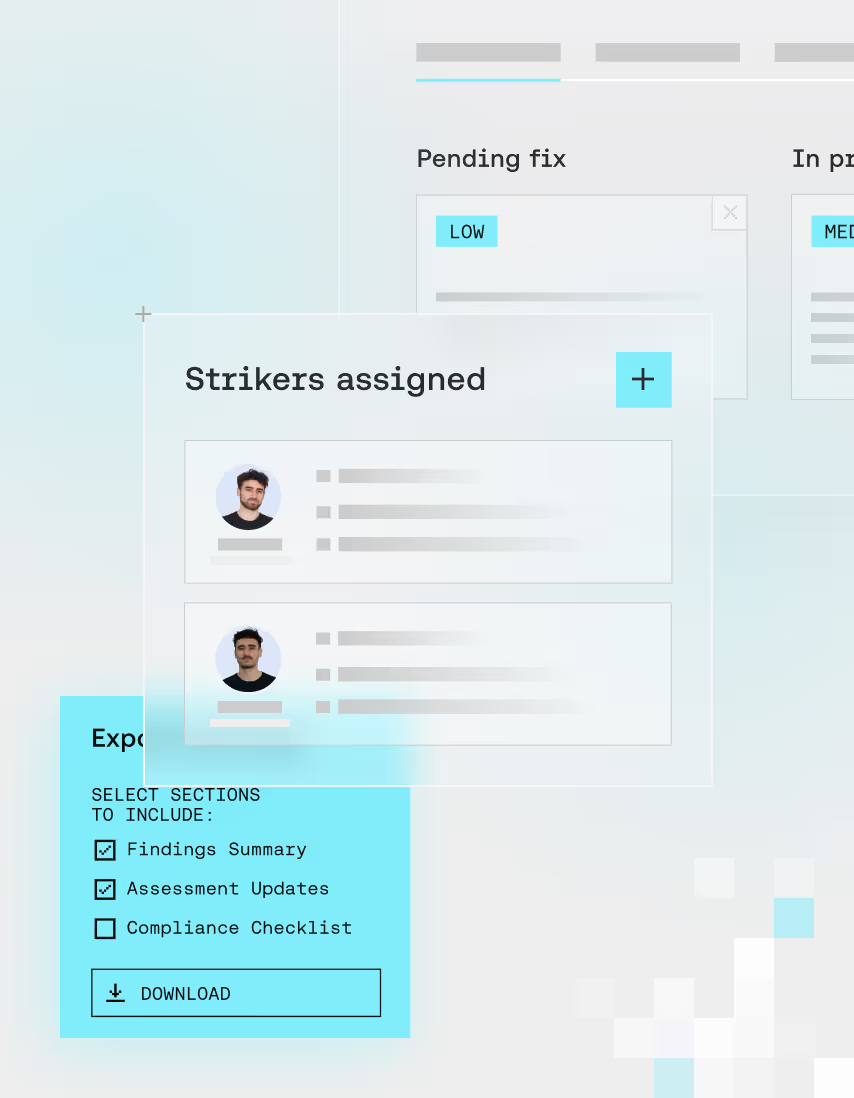
Track every finding with complete transparency through security expert work logs and real-time notifications.

Seamless integrations
Connect directly with Slack, Teams and Jira to streamline collaboration with your security and development teams.

Vulnerability Manager
Visualize, manage, and retest vulnerabilities in one platform, with full context on severity, sources, and remediation.

Reporting that supports audit and compliance programs
Generate up-to-date reports with evidence per finding to support your PCI DSS, HIPAA, ISO 27001 and SOC 2 programs. Strike does not issue SOC 2 reports, ISO certificates or PCI DSS attestations.

Ongoing partnership
Weekly check-ins with a dedicated Customer Success Manager, plus personalized onboarding and strategic planning.
A report inherits the quality of the process behind it. If findings were not reproduced before delivery, the document is a queue of things to verify, and that cost lands on your team.

Human expertise.
AI power.
Superior security.
Whether you’re scaling fast, closing enterprise deals, or just tired of noisy reports, we’ll help you build a security stack that moves faster than your threats.
